
How Long Does Exterior Paint Last on a House?
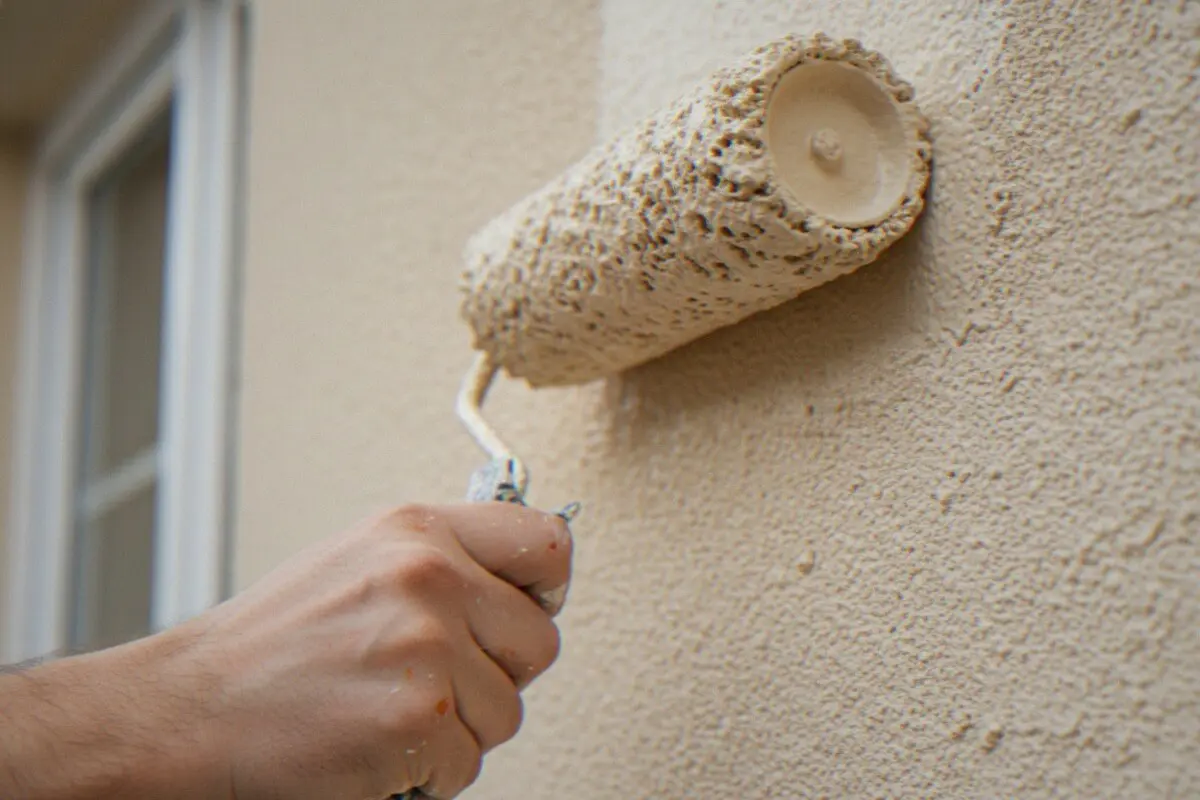
How long does exterior paint last? On most homes, a quality job holds up for several years before it needs attention. But that range swings hard depending on the surface, the product, the prep, and the climate it has to survive. That is the honest answer, and it is also why two houses on the same street can look worn out years apart.
If you have ever paid for a paint job that started peeling within a season or two, you know how much this matters. Exterior paint is not just about looks. It is the barrier keeping water and sun off your siding, trim, and wood. When it fails early, you are not only repainting, you are dealing with the damage happening underneath.
This is what actually decides how long exterior paint lasts, why the climate here is such a demanding test, and what separates a job that lasts a decade from one that fails in two years.
How Long Does Exterior Paint Last on Average?
Under normal conditions, a well-done exterior paint job on wood or previously painted siding tends to last somewhere in the five-to-ten-year range. That is a fair expectation for most homes, but the surface makes a big difference in where you land:
- Siding sheds water and lasts longest, sitting at the top of that range when it is prepped and painted well.
- Trim, fascia, and window frames take more direct weather and often need attention sooner than the walls.
- Decks, railings, and other horizontal wood wear fastest of all, because they hold moisture and take constant sun and foot traffic, so they need refinishing on a much shorter cycle.
So expect a range, not a fixed number. A home that was properly prepped, painted with a good product, and sits in a sheltered spot pushes toward the high end. One that skipped prep or used a cheap paint can fail years earlier. The three factors below are almost always the reason for the gap.
Climate Is the Hardest Test, Especially Here
Climate is the single biggest variable in how long exterior paint lasts, and a Maritime climate is genuinely tough on it. A finish that might last a decade in a mild, dry region has a harder assignment on the Bay of Fundy. Four forces do most of the damage:
- Moisture and coastal air. Humidity, fog, and wind-driven rain push water against and behind the paint film, forcing it off from the inside. This is why peeling usually starts on the walls that take the most weather.
- Salt air. Homes closer to the water deal with salt, which is harder on finishes than inland exposure.
- Freeze-thaw cycles. Temperatures cross freezing again and again through the colder months, and the surface underneath expands and contracts every time. Paint that cannot flex with that movement cracks, and once it cracks, water gets in.
- Summer UV. Strong sun fades colour and breaks down the film, hitting south- and west-facing walls first.
A finish here has to handle all four at once. That is exactly why the next two factors, prep and product, carry so much weight.
Prep Is Where Paint Jobs Live or Die
Surface preparation is the number one reason exterior paint lasts or fails, more than the brand of paint itself. Paint is only as durable as what it is sticking to, and no product bonds to a surface that was not prepared. Done right, prep is a sequence, and skipping a step shortens the life of the whole job:
- Wash the surface so nothing is being painted over dirt, chalk, or mildew.
- Scrape and sand all loose and failing paint back to a sound edge.
- Spot-prime bare and weathered wood so the topcoat has something to grip.
- Caulk gaps around trim and joints to keep water out.
- Let it dry fully before the first coat goes on.
This is also where early failure comes from. When paint goes over dirt, over glossy un-sanded surfaces, over damp wood, or over paint that was already letting go, the new coat inherits every one of those problems. It can look flawless for a few weeks and then start peeling, because the bond was never really there. Thorough prep costs more in labour up front and saves you from repainting years too soon.
Paint and Application Do the Rest
Once the surface is ready, the product and the technique decide how many years you actually get. A good exterior paint is built to flex with temperature swings, which is precisely what a freeze-thaw climate demands. A quality 100% acrylic latex moves with the surface as it expands and contracts, while cheaper paints stay rigid and crack sooner. Better products also hold their colour and resist UV longer, so a sunny wall keeps looking right instead of chalking and fading early.
Application matters just as much. Two full coats over the right primer give a more durable, even film than one stretched coat. And the paint has to go on within the temperature and humidity window the manufacturer specifies. Applied when it is too cold, too hot, or too damp, paint will not cure properly, and a poor cure quietly undoes the benefit of a good product.
Colour and sheen play a quiet role too. Deep, saturated colours absorb more heat and tend to fade faster on sun-facing walls than lighter tones, which is worth knowing before you commit to a bold exterior. And a slight sheen usually holds up and cleans better outdoors than a dead-flat finish, which can trap dirt and show wear sooner. None of this outranks prep, but it is the kind of detail that decides whether you land at the top of the range or the bottom.
How to Spot Paint That Is Starting to Fail
Knowing the warning signs lets you catch trouble while it is still a cheap spot repair instead of a full repaint with wood damage underneath:
- Peeling and flaking points to moisture or a prep problem, where paint never bonded or water is getting behind it.
- Cracking and alligatoring, a scaly surface, comes with age, too many old layers, or heat and UV.
- Blistering, small bubbles in the film, usually means moisture or painting in too much heat.
- Chalking, a powdery residue on your hand, is the film breaking down under UV.
- Fading is normal UV wear but shows up fastest on the sunniest walls.
- Mould and mildew, common on shaded, damp north-facing walls, is both a cosmetic and a moisture warning.
Notice the pattern: almost all of it traces back to moisture, sun, or prep, the same three forces at work all the way down the list. Catch these early and you keep a small fix from becoming a big one.
How to Make an Exterior Paint Job Last Longer
A little upkeep can add years to the life of an exterior paint job. The finish does the heavy lifting, but a few habits keep it protecting the surface for as long as possible:
- Wash it once a year to clear off dirt, salt, and the start of any mildew before it sets in.
- Keep vegetation trimmed back off the siding so wood can dry instead of sitting in constant damp contact.
- Keep gutters and downspouts working, because managing water is one of the most effective ways to protect paint.
- Touch up small failures early rather than waiting for them to spread.
Timing helps too. The best window to paint here runs through the drier, milder stretch from late spring to early fall, when temperatures and humidity let the paint cure properly. And repainting while the current finish is still mostly sound is far cheaper than waiting until it has failed and the wood beneath it has started to suffer.
It Comes Down to Prep, Product, and Climate
How long exterior paint lasts is not about luck. It comes down to three things working together: honest surface preparation, a quality product suited to the conditions, and respect for the climate the finish has to survive.
Cut a corner on any one of them and you tend to pay twice, once for the original job and again a couple of years later when it fails early. Get all three right and you pull the full life out of the paint while keeping the structure underneath protected.
If your home is due, or you are not sure how much life your current paint has left, we can take a look. Port City Painting is a women-owned and operated crew that handles the prep the way it should be done and uses quality exterior products built for our Maritime climate. We are fully insured with $2 million in liability coverage, and every job is backed by our 100% satisfaction guarantee. Book a free estimate on our website or call us at (506) 436-5163.